Traditional Holidays in Korea Through the Year
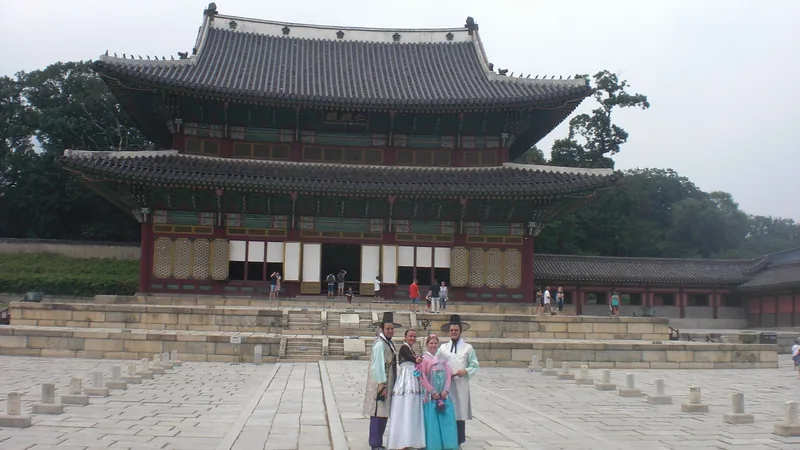
Most traditional holidays in Korea follow the lunar calendar, so their dates on the solar calendar change every year. Seollal (설날) falls on the 1st day of the 1st month of the lunar calendar, usually in February. Chuseok (추석) falls on the 15th day of the 8th month of the lunar calendar, usually in September or October.
Only some of these occasions are official days off. Seollal and Chuseok each give three days off, counted from the day before to the day after the holiday. This article helps you understand the meaning of each occasion, when it falls in the year and how to check the official calendar.
Key points
- Traditional holidays follow the lunar calendar, so solar calendar dates change each year.
- In 2027, Seollal is a day off from February 6 to February 9 and Chuseok from September 14 to September 16.
- Daeboreum, Hansik and Dano are traditional occasions but are not on the legal list of days off.
- Each family keeps its rituals in its own way; ask before you take part.
- Check the official days off on the KASI calendar data page and in the 월력요항.
Traditional occasions through the year
The table below lists the main occasions in the order of the lunar year.
| Occasion | When | Main meaning | Official day off |
|---|---|---|---|
| Seollal (설날) | 1st day of the 1st month, lunar calendar | Start of the lunar new year, remembering ancestors, respecting elders | Yes, 3 days; in 2027: February 6–8, plus a substitute day on February 9 |
| Daeboreum (대보름) | First full moon of the lunar year | Marks the start of the year together with Seollal | No |
| Hansik (한식) | 105th day after the winter solstice | Visiting graves, clearing weeds around graves, memorial offerings | No |
| Buddha's Birthday (부처님 오신 날) | 8th day of the 4th month, lunar calendar | A holiday set by law | Yes; in 2027: May 13 |
| Dano (단오) | 5th day of the 5th month, lunar calendar, usually in June | Early-summer ritual of farming communities, praying for a good harvest | No |
| Chuseok (추석) | 15th day of the 8th month, lunar calendar | An occasion to remember ancestors | Yes, 3 days; in 2027: September 14–16 |
| Dongji (동지) | Winter solstice | The day with the longest night of the year | No |
In December 2023, the heritage agency (문화재청, now 국가유산청) designated five items as national intangible cultural heritage. They are Seollal together with Daeboreum (one item), Hansik, Dano, Chuseok and Dongji.
Meaning and how people spend the holidays
Seollal marks the start of the lunar new year. According to a Korea.net article, the occasion lasts from the 1st day of the 1st month of the lunar calendar until the first full moon of the year. Many people return to their hometowns to reunite, show respect to elders and remember their ancestors.
Familiar activities include the ancestral rite (charye, 차례) and bowing to elders (sebae, 세배). There are also folk games such as yunnori and neolttwigi.
Dano originated as an early-summer ritual of farming communities. The Gangneung Danoje festival (강릉단오제) is on UNESCO's list of intangible cultural heritage.
Chuseok is one of the two most important occasions, along with Seollal. Families usually gather in the morning for the ancestral rite and then visit graves. The circle dance ganggangsullae under the full moon is recognized by UNESCO.
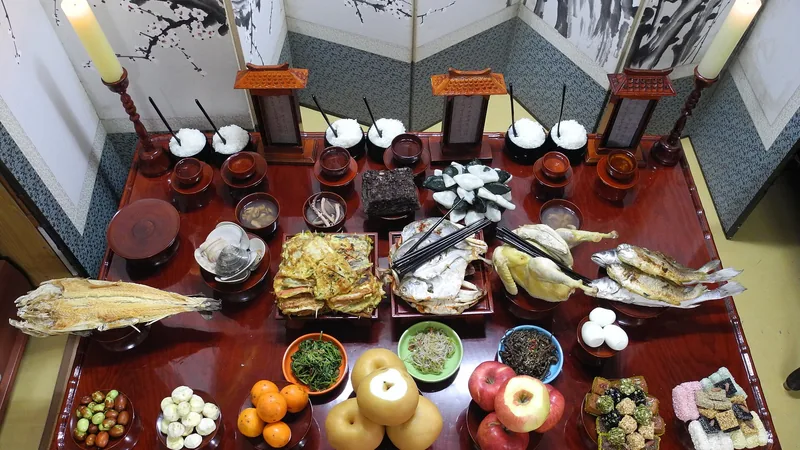
Today, people celebrate in many different ways. Some families still prepare an offering table, while others have dropped the rituals because of the heavy housework. Some people choose to rest at home on their own.
Etiquette when you take part
If a family or a coworker invites you for a holiday, first ask whether they hold ancestral rites. Not every family keeps the rituals.
Bowing (sebae) is a gesture of respect to elders. If you are not familiar with the custom, you can give a polite bow and follow the host's guidance.
At public events organized by the government or cultural institutions, keep order and queue up. Follow the instructions of the organizers on site. At memorial rites, it is best to observe first before you join in.
How to check the official calendar
The Act on Public Holidays (공휴일에 관한 법률) sets Seollal as the last day of the 12th lunar month (음력 12월 말일) and the 1st and 2nd days of the 1st lunar month. Chuseok covers the 14th, 15th and 16th days of the 8th lunar month.
The KASI calendar data page lists the holidays of each year. The page states that it is not an official notice and points you to the 월력요항 for verification.
For local cultural events, check the notice page of the district or city government where you live.
Next steps
- Check holidays by year on the KASI calendar data page: https://astro.kasi.re.kr/kor/life/post/calendarData?year=2027
- Read the list of holidays in the Act on Public Holidays: https://www.law.go.kr/법령/공휴일에관한법률
- See the 2026 schedule of rites at Jongmyo (종묘), Sajikdan (사직단), Chilgung (칠궁) and the Joseon royal tombs on the Korea Heritage Service site: https://royal.khs.go.kr/ROYAL/contents/R202000000.do
Sources
- Korea Heritage Service (국가유산청) via Korea.net — 5 major holidays designated Nat'l Intangible Cultural Heritage (December 19, 2023) — https://www.korea.net/NewsFocus/Culture/view?articleId=244035
- Korea Tourism Organization (VISITKOREA) — Three Major Traditional Korean Holidays: Seollal, Dano, and Chuseok (February 10, 2026) — https://english.visitkorea.or.kr/svc/contents/contentsView.do?vcontsId=1566965
- Ministry of Government Legislation (법제처) — 공휴일에 관한 법률, in force from May 11, 2026 — https://www.law.go.kr/법령/공휴일에관한법률
- Korea Astronomy and Space Science Institute (KASI) — Calendar data for 2027 (data generated June 30, 2026) — https://astro.kasi.re.kr/kor/life/post/calendarData?year=2027
- Korea.net — More people choose to spend Chuseok in their own ways (September 13, 2024) — https://www.korea.net/NewsFocus/Society/view?articleId=258449
Updated: November 20, 2026 · Sources checked: November 20, 2026
This is general information, not legal advice; the calendar and rules may change, so check with the official authority. · Report an error