Etiquette in Korean Public Places: Rules and Customs
In Korea, some behavior in public places is governed by law, and the rest is custom. Smoking in a no-smoking area is prohibited by law, and the fine can be up to KRW 100,000. The rest, such as greetings, giving up seats or dress, is social habit and differs from person to person.
This article only covers public places and social occasions. There is no verified official source on workplace conduct, so the article does not cover it.
Key points
- The owner of a facility must designate the whole of many types of public facilities as no-smoking areas.
- No one may smoke in a designated no-smoking area.
- Fine for smoking in a no-smoking area: up to KRW 100,000.
- The Seoul Library asks you not to eat or drink, not to lie down and to keep quiet.
- Social customs are habits, not law; sincerity matters more than form.
Smoking and drinking in public places: the rules
Article 9 of the National Health Promotion Act (국민건강증진법) requires facility owners to designate the whole of every facility on the list as a no-smoking area and to put up signs. A facility may set up a separate smoking room.
The list includes many places you pass through every day:
- the offices of national and local government bodies;
- schools, nurseries and children's playgrounds;
- medical facilities and libraries;
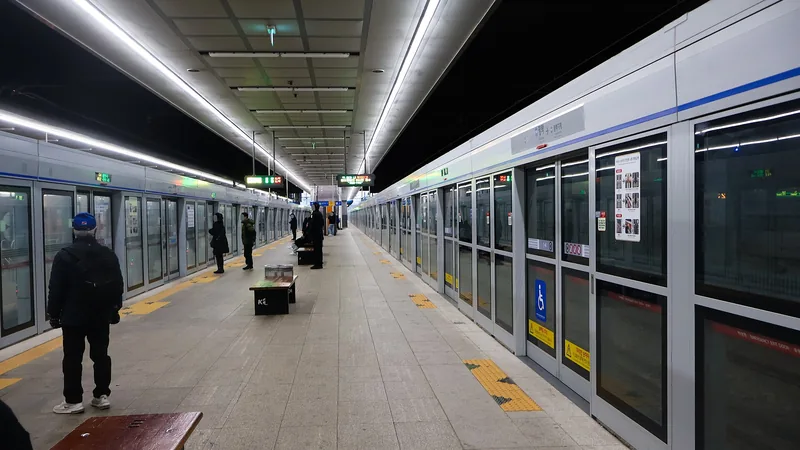
- waiting rooms and platforms at airports, ports, train stations and bus terminals, and vehicles with 16 or more seats that carry passengers or goods for a fee;
- office buildings and factories with a floor area of 1,000 square meters or more.
Under Article 9, paragraph 6, the area within 30 meters of the boundary of a kindergarten (유치원), nursery (어린이집) or elementary or secondary school (학교) is also a no-smoking area. The law makes clear that this is land set aside for public passage and use. Local governments can also designate additional no-smoking areas by ordinance.
In apartment buildings, if half or more of the households request it, the district or city authority designates the corridors, stairs, elevators or underground parking as a no-smoking area.
People who smoke in a no-smoking area are given an administrative fine of up to KRW 100,000. A person who pays the fine can get a reduction if they take part in education or smoking cessation support services as provided by regulation.
Local governments can also designate no-drinking areas by ordinance. Drinking alcohol in such an area carries a fine of up to KRW 100,000. This article has no source on e-cigarettes, so it does not cover them.
Libraries and shared spaces
The Seoul Library lists four short messages. Do not lie down and do not eat or drink. Handle books carefully and avoid phone calls in the library. Keep the library quiet for everyone.
Under the law mentioned above, libraries are on the list of facilities that must be no-smoking areas.
Weddings and funerals
Korea.net is Korea's official website, run by the Korean Culture and Information Service (KOCIS). An article written by a reporter of this site in 2019 sets out common customs.
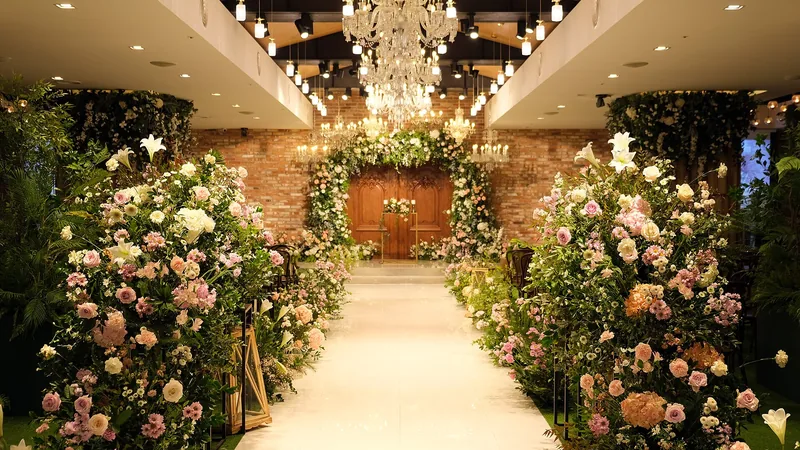
At weddings, the article advises avoiding white so the bride stands out. Cash gifts are handed over at the reception desk on the groom's or bride's side, and then you sign the guest book.
At funerals, the article advises wearing formal black and coming on the first or second day of the three days. You sign the condolence book, burn incense or place a flower before the portrait, then bow twice before the portrait and before the bereaved family. Depending on your religion, you can stand and bow your head instead of bowing deeply. When putting out incense, wave your hand rather than blowing it out.
The article concludes that sincerity matters more than form or the color of your clothes, but following the customs is still encouraged. If you are not sure, ask a Korean acquaintance or the family holding the event.
Forms of address and giving up seats
A 2017 article on Korea.net, contributed by an honorary reporter and not a policy document, describes customs of respect. It says that calling someone by their given name can be seen as impolite. People usually use titles unless the two sides are already close.
The article also says young people are expected to give up their seats to older people on public transport. When receiving something from an older person, a young person receives it with both hands.
These are customs, not law. How they are applied differs between people and situations. The simplest approach is to look around, give up your seat when you see someone who needs it and speak quietly.
Next steps
- Read Articles 9 and 34 of the National Health Promotion Act: https://www.law.go.kr/법령/국민건강증진법/제9조
- Read the Seoul Library's etiquette guide: https://lib.seoul.go.kr/rwww/html/ko/etiquette.jsp
- Read Korea.net's article on conduct at special events: https://www.korea.net/NewsFocus/Society/view?articleId=173942
Sources
- Ministry of Government Legislation (법제처) — National Health Promotion Act (국민건강증진법), effective April 30, 2026 (Articles 9 and 34) — https://www.law.go.kr/법령/국민건강증진법/제9조
- Seoul Library (서울도서관) — Library etiquette (도서관 이용 예절) — https://lib.seoul.go.kr/rwww/html/ko/etiquette.jsp
- Korea.net (KOCIS) — [While in Korea] Episode 6: Proper etiquette at special events (August 8, 2019) — https://www.korea.net/NewsFocus/Society/view?articleId=173942
- Korea.net, honorary reporter — The name of respect: Korea and Egypt (February 10, 2017) — https://www.korea.net/NewsFocus/Culture/view?articleId=144030
Updated: November 20, 2026 · Sources checked: November 20, 2026
This is general information, not legal advice; the calendar and rules may change, so check with the official authority. · Report an error